Physical environment
↓HI HOLY HIGH · R&D / CULTIVATION TECHNOLOGY
Cultivation Technology & Automation
HI HOLY HIGH develops and tests technology for connected cultivation environments. This ecosystem brings together sensing, environmental monitoring, automation, edge processing, data, computer vision, irrigation and cultivation intelligence as an active R&D line.
● Ecosystem is R&D, prototypes, research, testing and concepts — not a mature store of finished hardware.
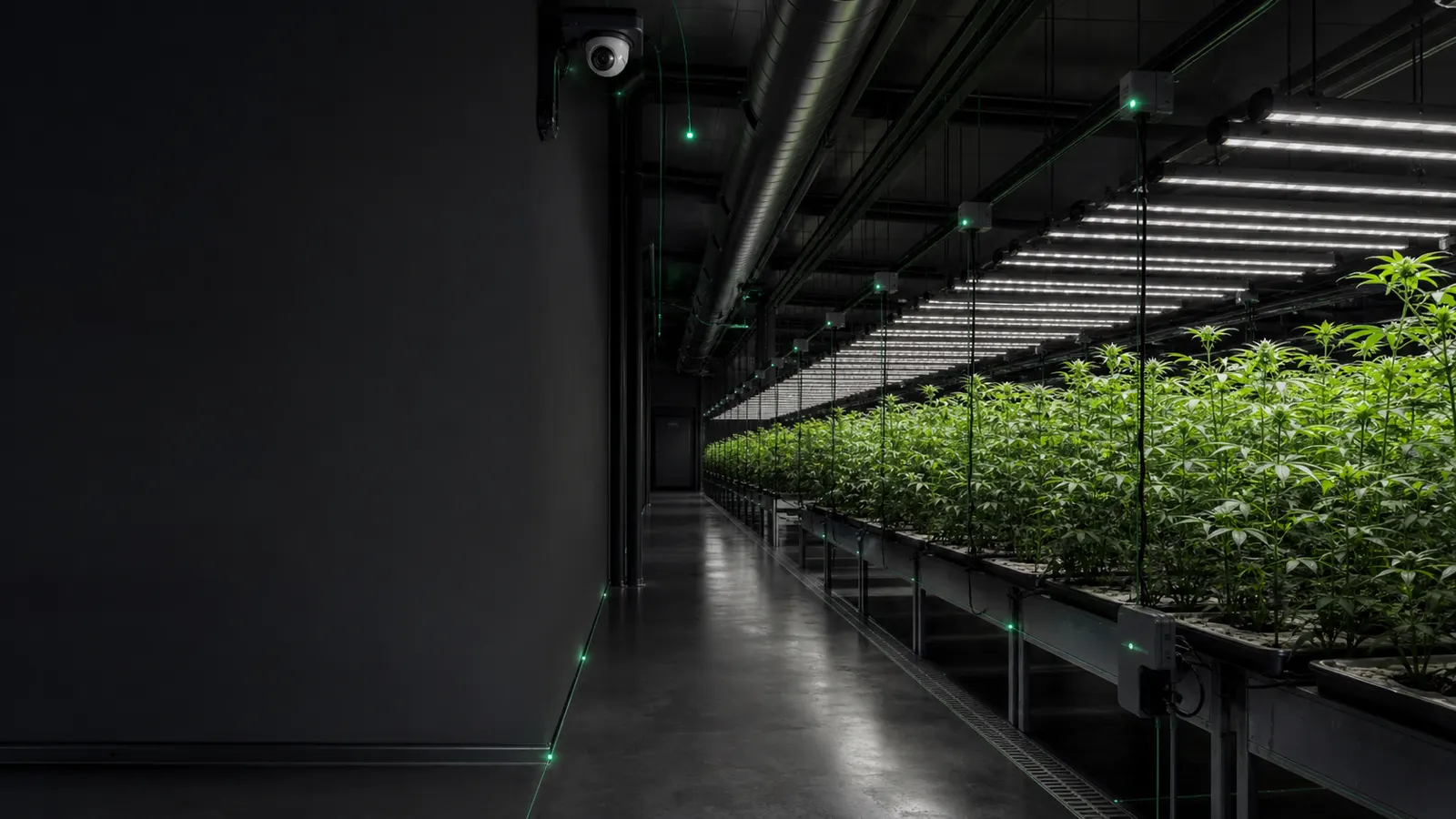
01 — CONNECTED CULTIVATION
Connected Cultivation
A connected cultivation system turns conditions in the physical environment into observable signals, local decisions and carefully scoped actions. The work stays grounded in testing and learning with real environments.
Sensors
↓Edge
↓Data / intelligence
↓Automation / action
02 — SENSORS / MONITORING
Sensors & Monitoring
Environmental signals provide the shared context for monitoring and decision support across a connected cultivation system.
03 — EDGE / CONNECTIVITY
Edge & Connectivity
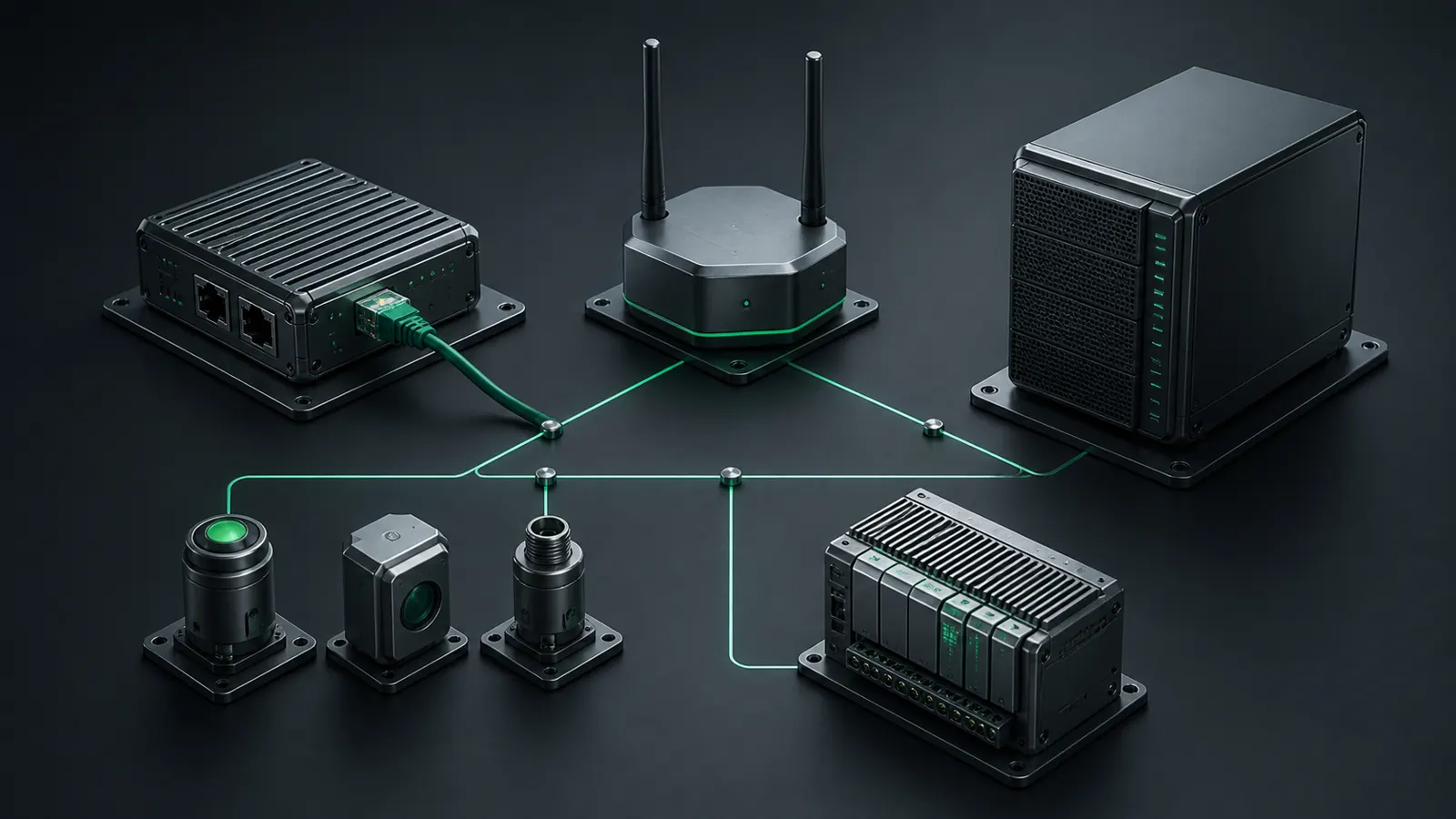
Edge nodes, ESP32 work and gateways support local processing and coordination between connected sensors and the wider system. This keeps the research close to the environment without claiming unmeasured performance.
● Edge
Sensors
  ↓
Edge
  ↓
Data / intelligence
  ↓
Automation / action
04 — AUTOMATION / INTELLIGENCE
Automation
The operating model is sensor → condition → decision → action. It can support environmental control, irrigation workflows, monitoring and alerts while people remain responsible for the environment and the decisions.
Cultivation Intelligence
Cultivation intelligence means interpreting data, supporting decisions, shaping automation logic and exploring computer vision. It is a research direction for local and connected systems, not a claim of fully autonomous cultivation.
05 — R&D COMPONENTS
R&D Components
The current elements are prototypes, concepts, research projects, demos and testing material. They are shown to explain the work, not as a finished commercial hardware catalogue.
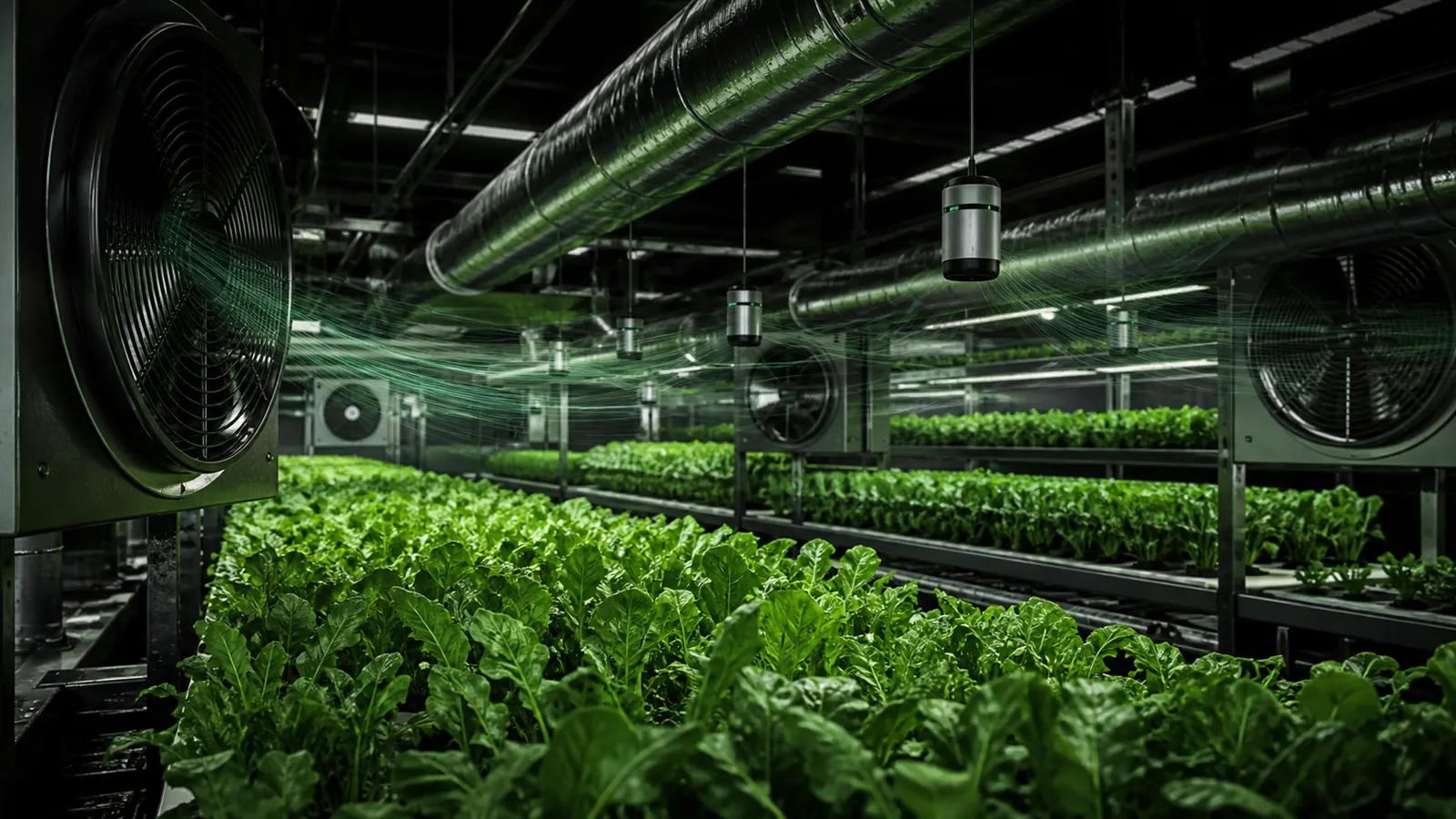
Concept
Climate Interface
Experimental climate control interface.
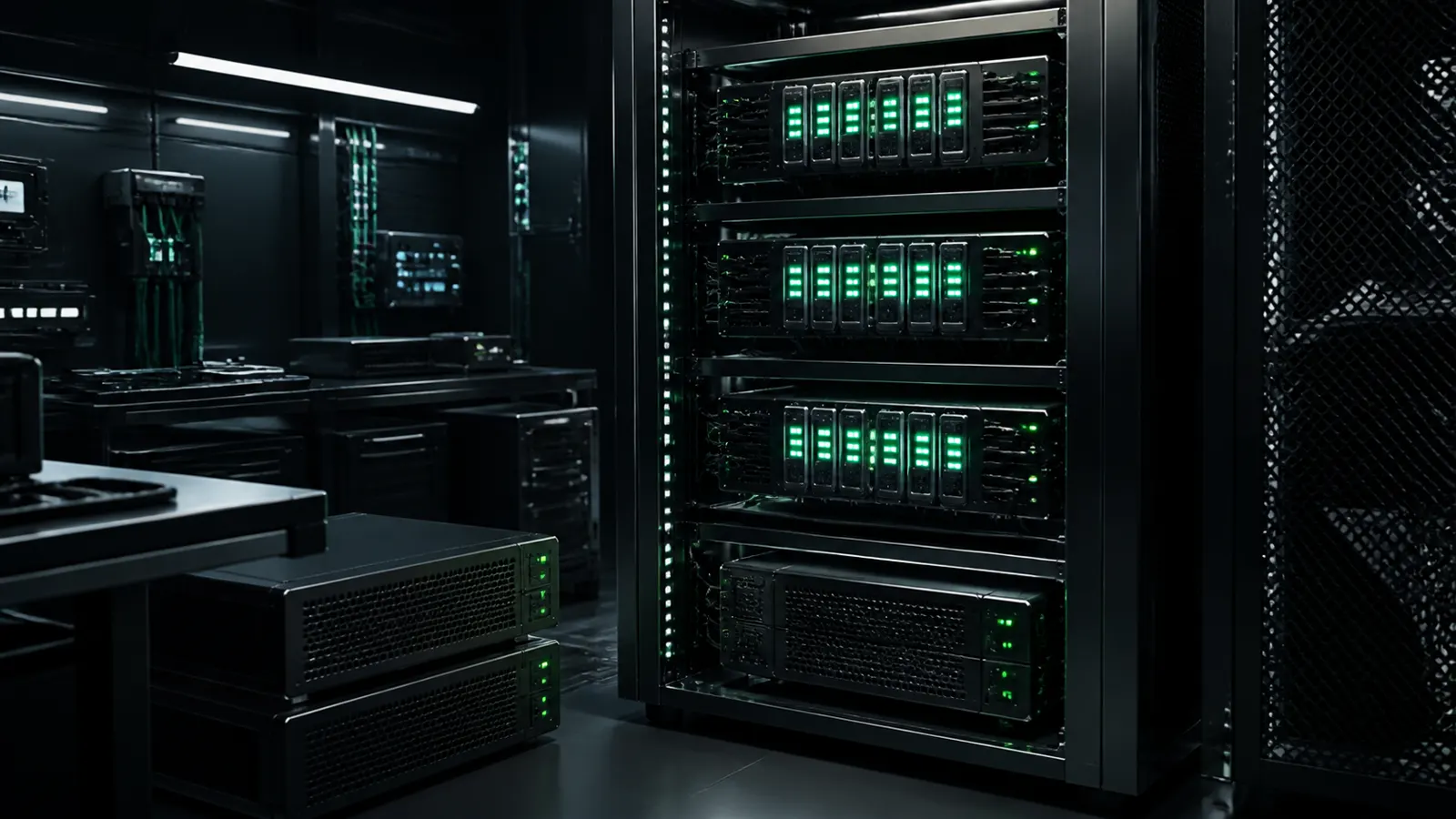
Research
Data Layer Module
Local-first data and automation infrastructure concept.
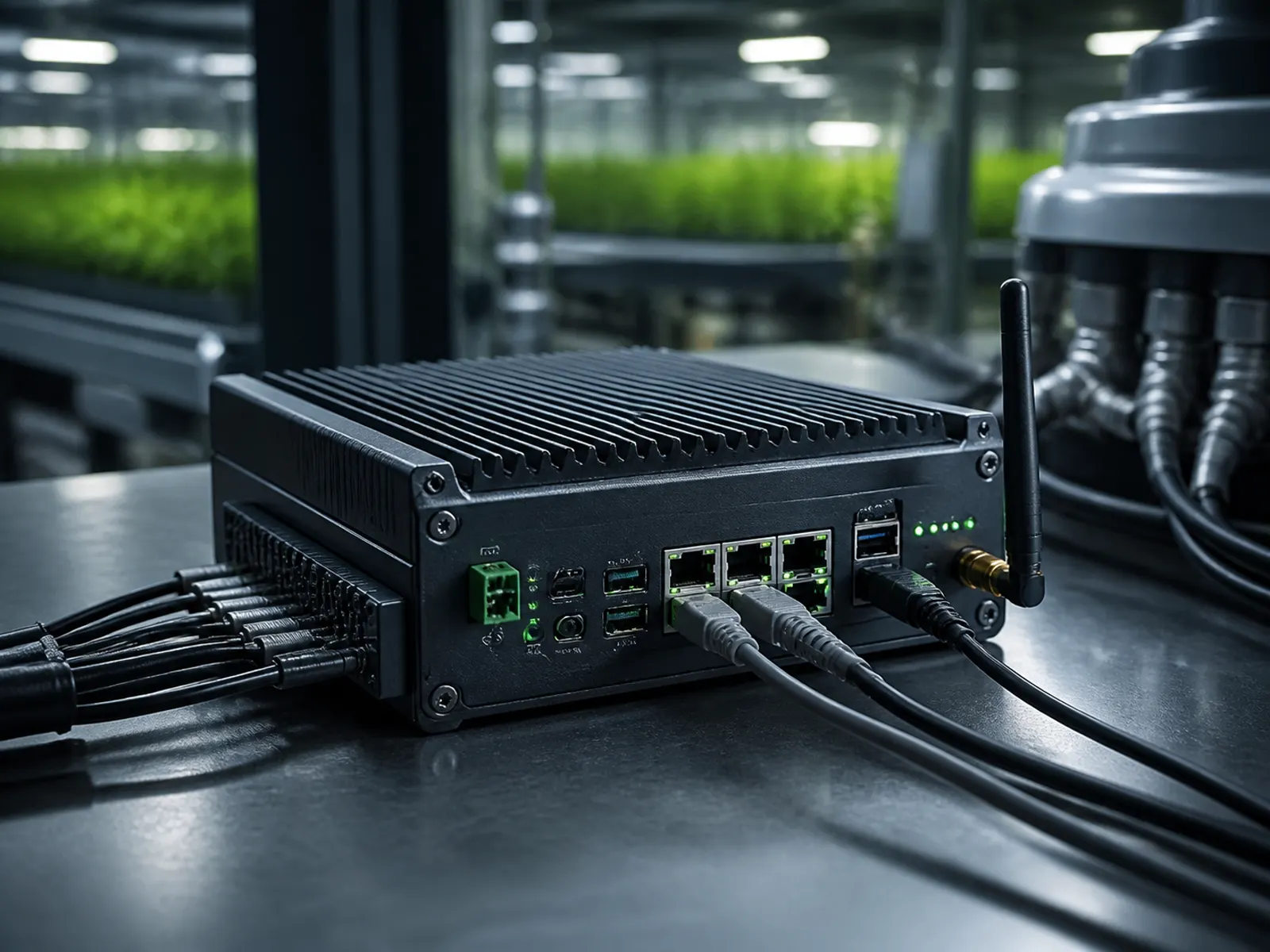
Prototype
Edge Node / Prototype
Edge processing component for connected cultivation research.
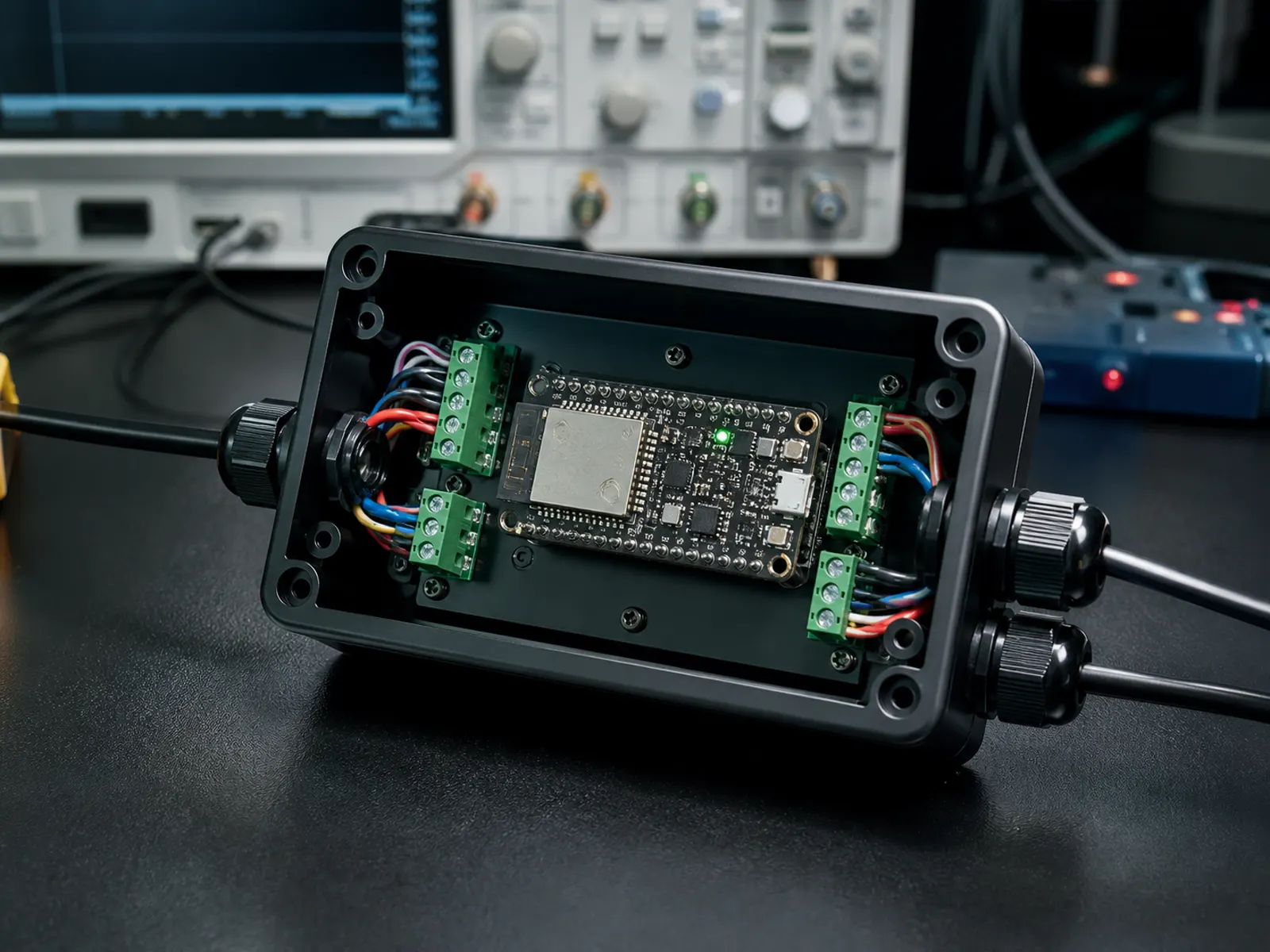
Prototype
Sensor Node / ESP32
ESP32-based integration prototype.
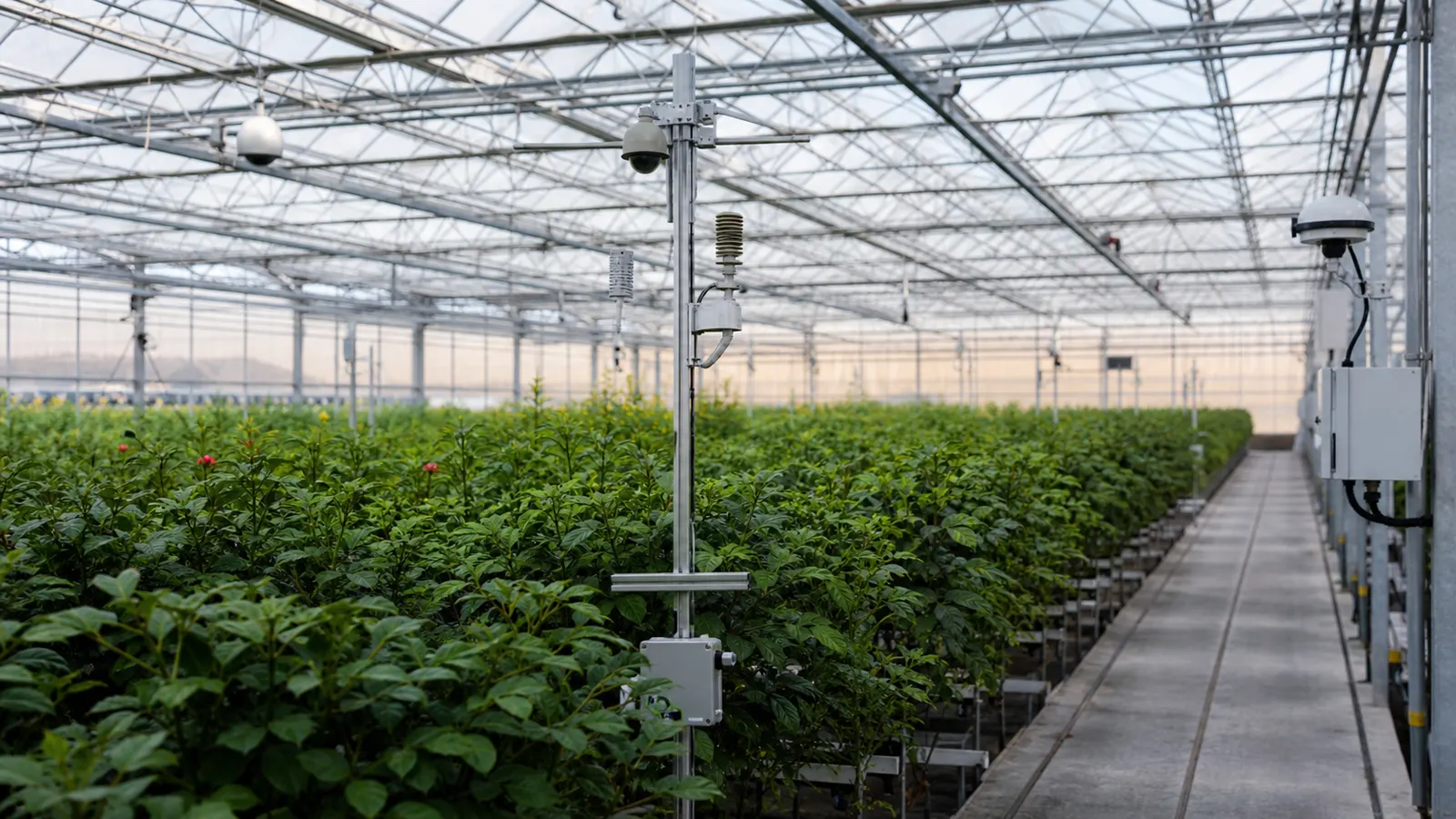
Demo
Field Testing Pack
Demonstration context for field-testing conversations.
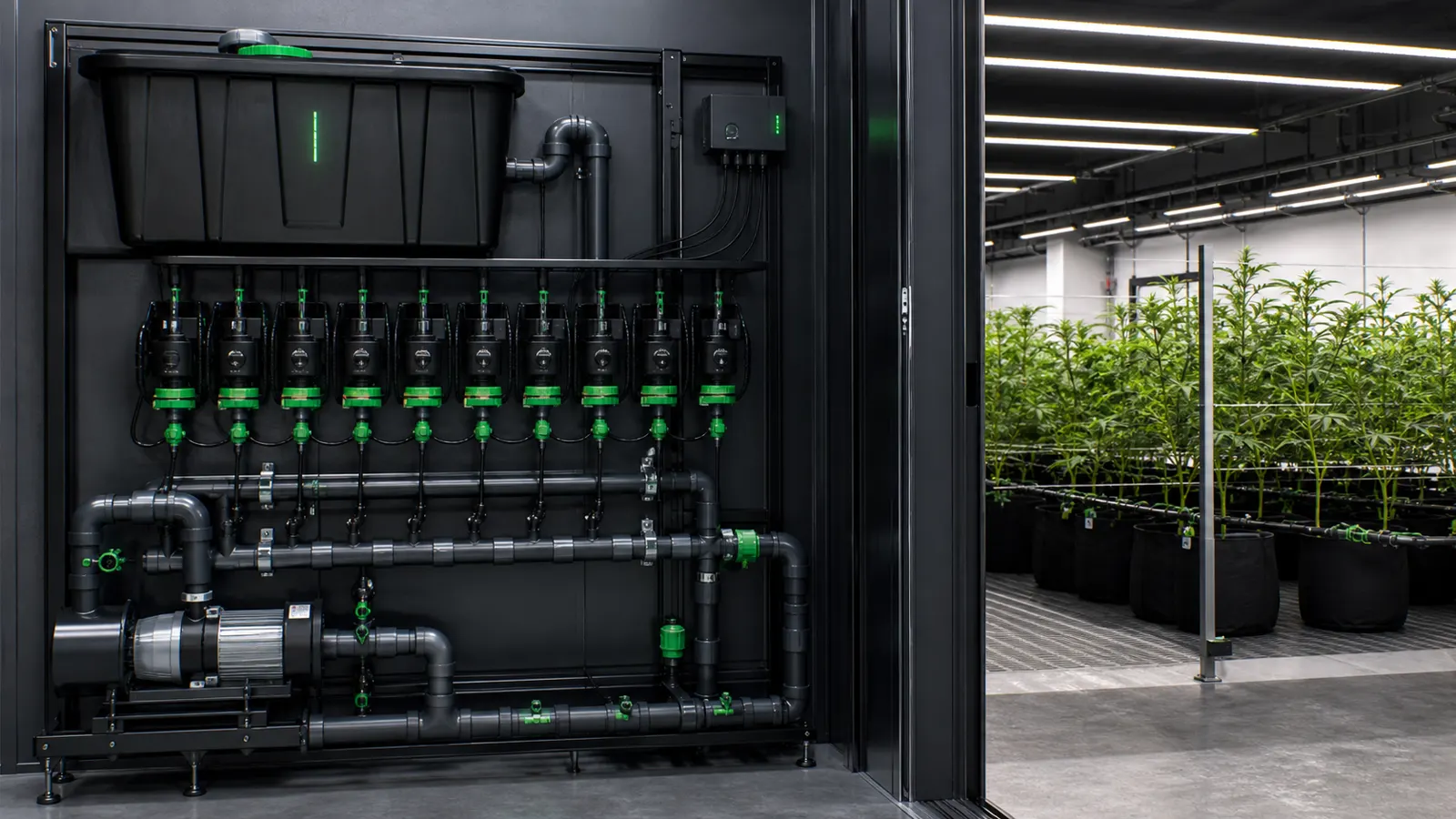
Testing
Irrigation Controller
Sensor-to-decision-to-action irrigation research hardware.
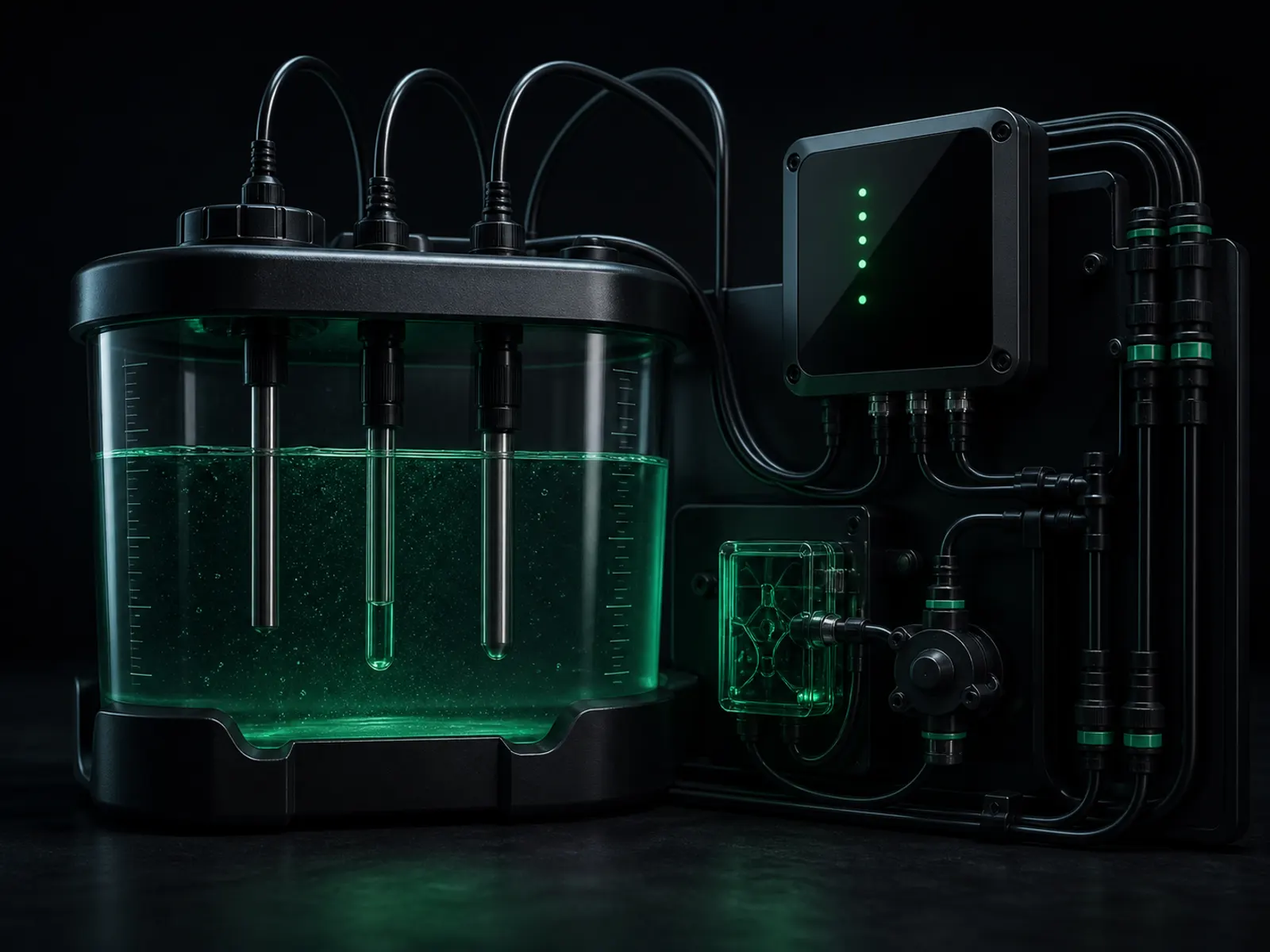
Research
pH / EC Station
Water monitoring integration concept.
Research
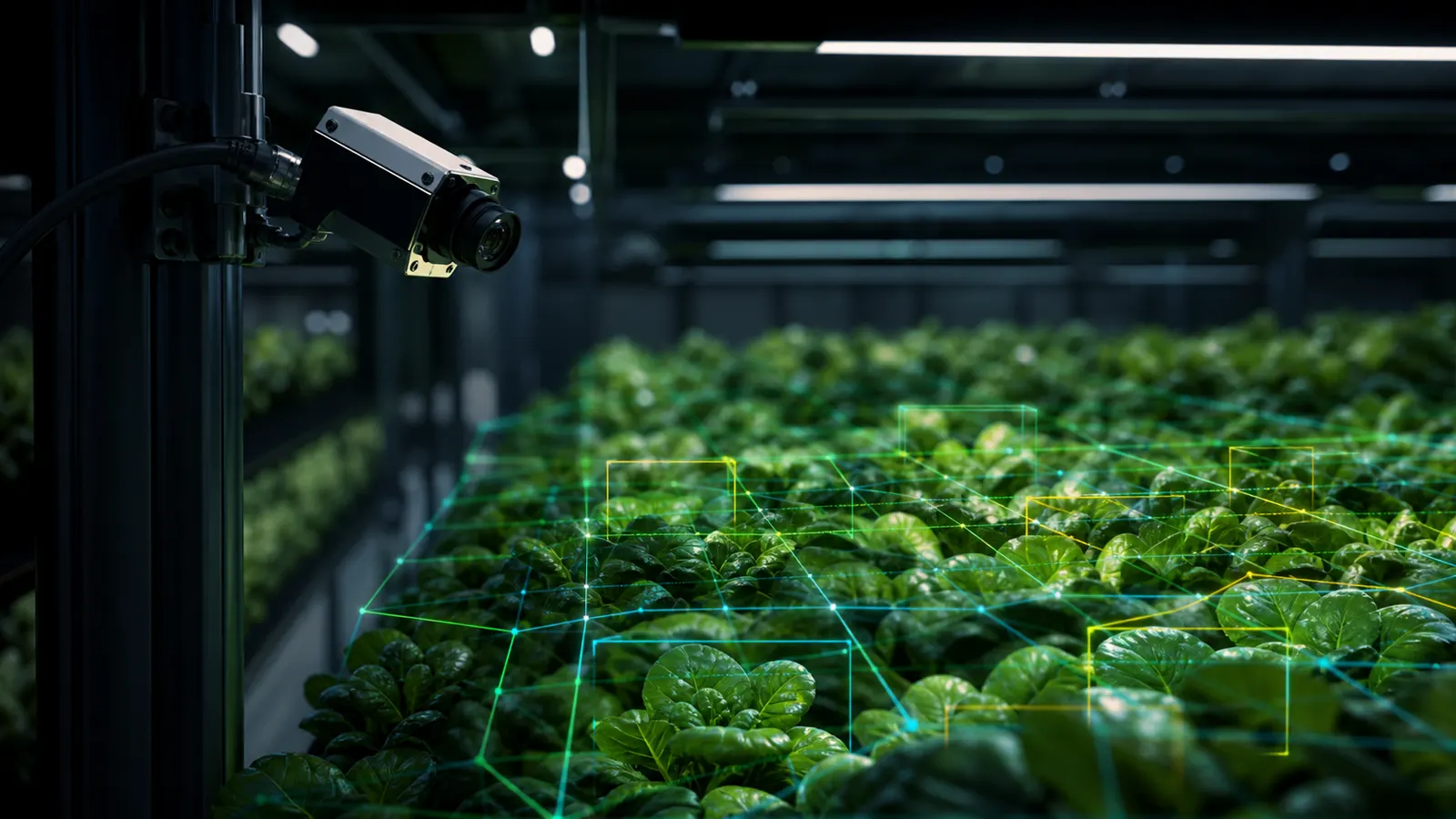
Vision Node
PoE camera research node.
Prototype
Zigbee Gateway
Local sensor-network gateway.
06 — FIELD TESTING / RESEARCH
Field Testing & Research
Field testing gives the work a place to learn with real cultivation environments. Integration scope is defined collaboratively and current components remain research-stage material.
A practical R&D line
HI HOLY HIGH connects genetics, cultivation technology and research while keeping transactional genetics, informational Atlas content and experimental ecosystem work distinct.